Are you ready to join the dark side and want to explore the world of technical diving? Welcome friend and enter! We got amazing views, lots of scuba gear to buy, endless decompression times, and cookies. Yes, we got cookies, too!
Exploring shallow reefs, easy wrecks, or taking guided ocean dives all fall under the category of recreational diving.
This is what all scuba divers start out with when they first get scuba certified and most stay with it their entire life.
However, very advanced aspects of scuba diving require further diving courses and technical training.
Among them are dark caverns and caves, advanced decompression dives, the use of mixed gases, and rebreathers.
This is called technical diving and is reserved for the most elite scuba divers.
If you are looking to get started with technical diving or just want to know more about it, read on!
What is technical diving?
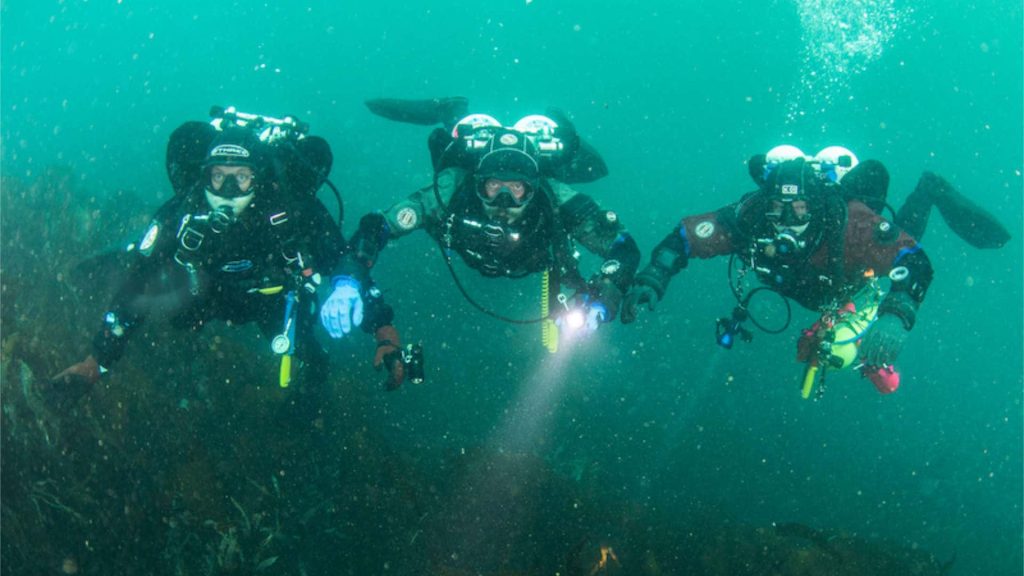
Technical diving, also called tech diving, includes advanced aspects of scuba diving such as caves, advanced decompression, wrecks, and the use of mixed gases, or rebreathers. It requires additional training and procedures beyond the scope of recreational diving and should only be done by experienced divers.
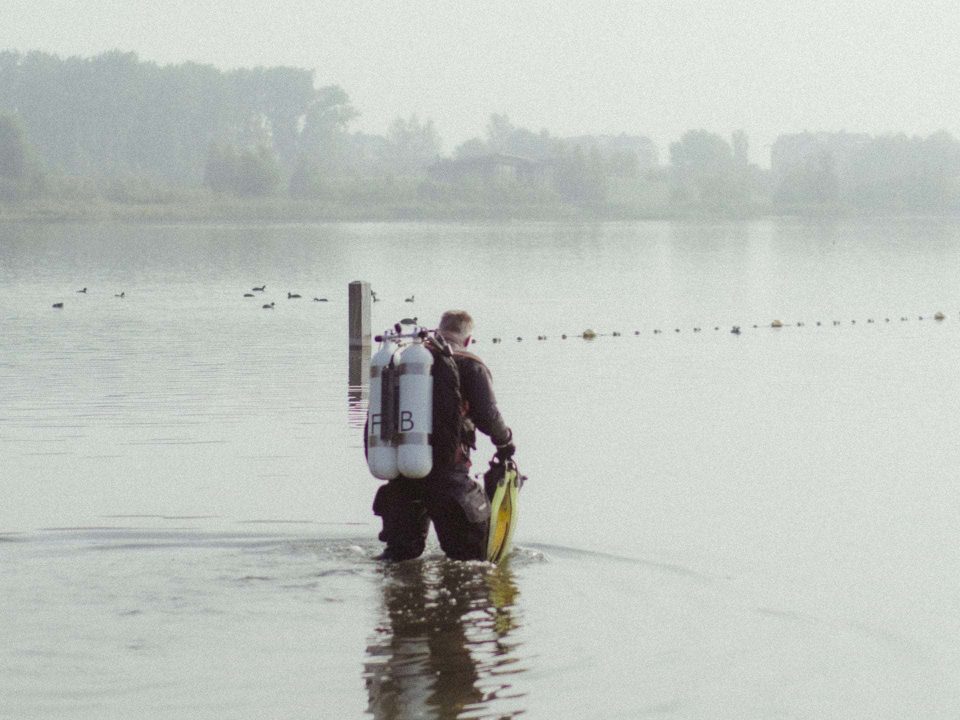
You might have come across a group of tech divers when diving in your local lakes setting up literal boatloads of dive equipment.
Or maybe they were on your last liveaboard diving cruise and talked about MOD, EAP, gradient factors, and their special x/35 blend.
Technical diving is essentially anything that goes above and beyond the limitations set by recreational scuba training organizations.
Most noticeably this refers to all and any dives which require mandatory decompression stops, but also special equipment or environments.
Types of Technical Diving
Let’s look at the parts that may fall under technical diving.
Decompression Diving
Decompression diving refers to all dives that exceed our non-decompression limits and require mandatory decompression stops during the ascent.
As you learned in your recreational diving courses, we load up on nitrogen during a dive by breathing in compressed air at higher pressures than at the surface.
During the ascent, the dissolved gas has to leave our body. If we ascend too fast, meaning we decrease the ambient pressure too quickly, we might suffer from decompression illness or the bends, which manifests in gas bubbles in our tissues.
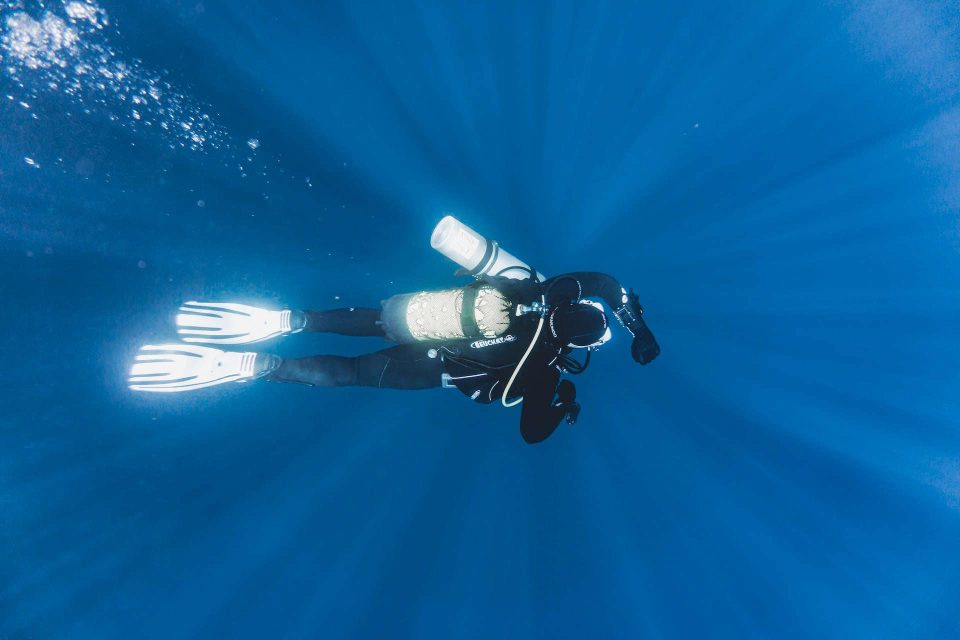
Decompression diving encompasses any dive in which we knowingly and purposefully exceed our non-decompression limits (NDL) and plan in decompression stops.
Such stops may take only a few minutes up to hours on end. It’s best to use a special tech-ready dive computer in such cases.
It is often combined with mixed-gas diving.
Mixed Gas Diving
Mixed gas diving refers to the use of different breathing gases in our scuba tanks during a dive. This allows us to dive deeper, longer, or decrease decompression times.
Mixed gas diving usually refers to any dive with Nitrox above 50% O2 content, as well as any Trimix, Heliox, or other mixtures.
As you learned in your Open Water Diver course or Nitrox specialty, oxygen starts to become toxic between 1.4 and 1.6 bar.
Due to the rising pressure underwater, and the subsequent increase in partial pressures, this happens around 56m/184ft or 66m/217ft, respectively.
In order to exceed these diving depths and to dive hundreds of meters deep, we use different gases depending on our target MOD (maximum operating depth).
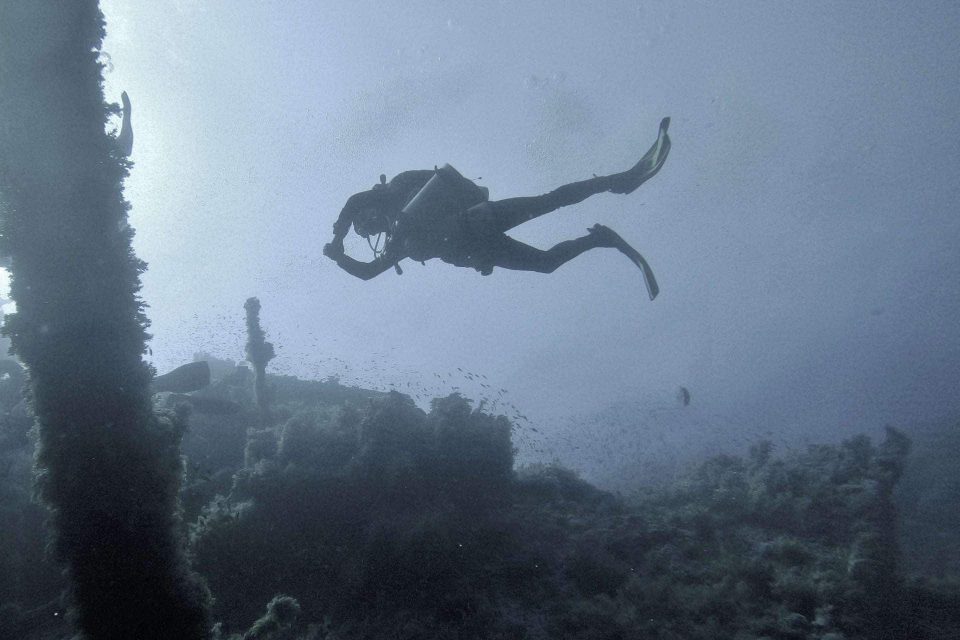
In addition, we can replace Nitrogen with Helium to prevent to negative effects of nitrogen narcosis underwater.
Therefore, divers came up with different gas mixtures like Trimix or Heliox which refers to different compositions and ratios of Oxygen, Helium, and Nitrogen in our breathing gases.
Cave Diving
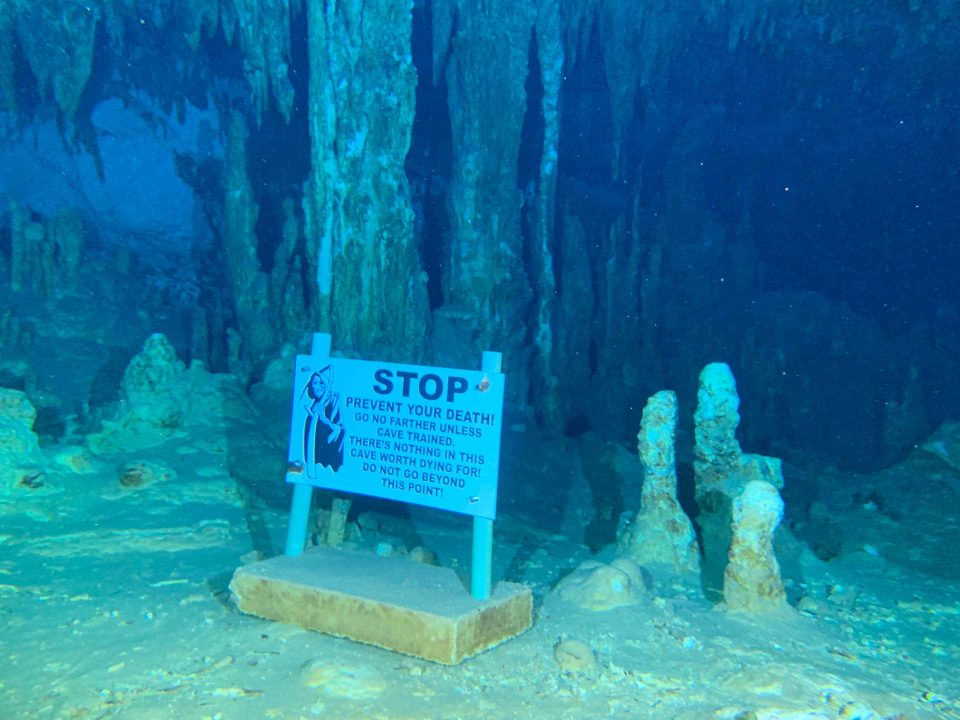
Cave diving refers to all diving activities in caves, caverns, mines, and other overhead areas that do not allow direct vertical ascent and often lack natural daylight.
Cave diving is my absolute favorite part of scuba diving and exploring these underwater wonders is truly breathtaking (well…maybe not).
There are countless underwater caves in the world, and it is one of the areas of diving where there is still a lot left to explore. As such, there is always a chance to be the first person diving at a spot without a line.
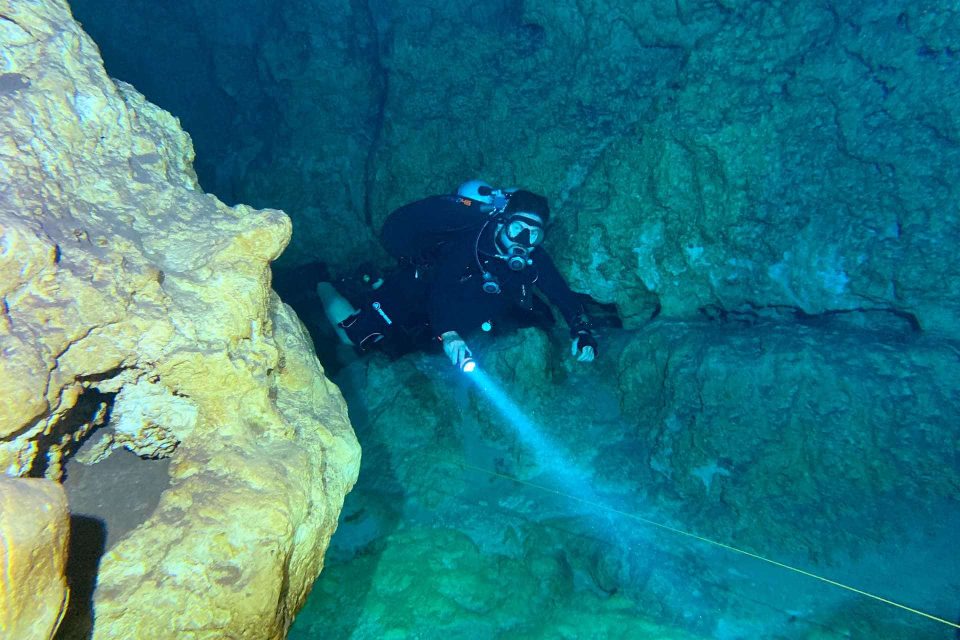
Some people differentiate between cave diving, and technical diving, as they require different (but sometimes overlapping) skill sets.
For example, some caves do not necessarily require mixed gas diving or decompression procedures, while deep diving does not require line management.
Therefore, cave diving and technical diving must be trained separately and require different courses. It goes without saying that the skills can often overlap, however.
Caverns are a special case of caves that are still filled with natural daylight and some scuba training organizations offer recreational caver diver certifications.
Mines, caves, and wrecks to some extent are among the most challenging and difficult environments you can encounter while diving and if you are not training in it, PLEASE do not ever attempt such a dive.
Closed Circuit Rebreather Diving
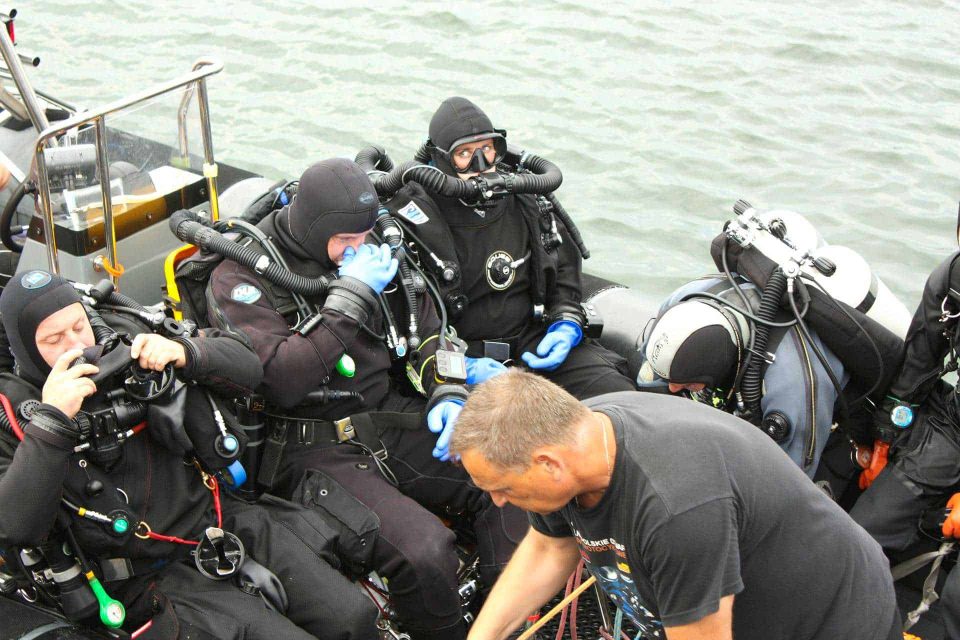
Closed Circuit Rebreathers (CCR) filter, enrich and recirculate the breathing air of a diver underwater which allows for extended dive times, and short to no decompression times. It is also heavily utilized by military personnel.
Rebreathers are very different from all other types of diving and generally differ from other technical diving areas.
Instead of releasing bubbles like normal scuba regulators, CCR apparatuses filter the breathed-out air and lead it through a filter where it is enriched with oxygen before it can be breathed in again by the diver.
This has a few implications:
- Rebreathers don’t release any bubbles
- Our lungs cannot be used to control our buoyancy
- Shorter decompression times
- Less gas consumption (cheaper diving)
Since the gas is recycled, rebreathers release near to no bubbles, making it the equipment of choice for most military divers in the world.
Since the absolute amount of gas in our lungs and equipment remains near-constant (and as such our scuba weight), we cannot use our breathing to control buoyancy as we are used to in classic scuba diving.
Modern systems also provide gas at depth-dependent partial rations which shortens or removes any decompression obligations.
Rebreather diving requires additional courses, and usually, divers get certified for the apparatus they own.
This also means this type of diving follows its own course progression, and technical dive training on a backmount-kit will not prepare you for the same diving on a rebreather.
Recreational vs. Technical Diving
Technical diving includes all areas of diving beyond the limitations set specifically for recreational sports diving.
Technical diving is a broad term and encompasses a large number of diving techniques as we saw above.
Here is a broad comparison between the two:
| Recreational Diving | Technical Diving | |
| Max depth | 40m/120ft | No Limit |
| Dive times | Limited by NDL (non-decompression limit) | No Limit |
| Gases used | Air, Nitrox up to 40% O2 | Nitrox up to 100% O2, Trimix, any other |
| Dive computer | Any | Decompression & gas change ready |
| Tank setup | Mono | Mono, doubles + stages |
| Potential dangers | Barotrauma, DCS, Nitrogen Narcosis | DCS, oxygen toxicity, High-Pressure Nervous syndrome, depth-related issues |
Before the rise of recreational diving as a mainstream sport, there were no differences, as all scuba divers were explorers in their own right. Nowadays, we have a different curriculum for recreational and technical diving courses.
However, it can still be a little difficult to exactly determine when something is considered tech diving.
For example, diving to 30m / 100ft is well within the scope of recreational divers once they get their Advanced Open Water Diver certification.
If we do the same dive using stage bottles, and Nitrox or Trimix, we could call this technical diving but it doesn’t necessarily require different techniques. Only once we get into extended decompression procedures, most divers would define this as tech diving.
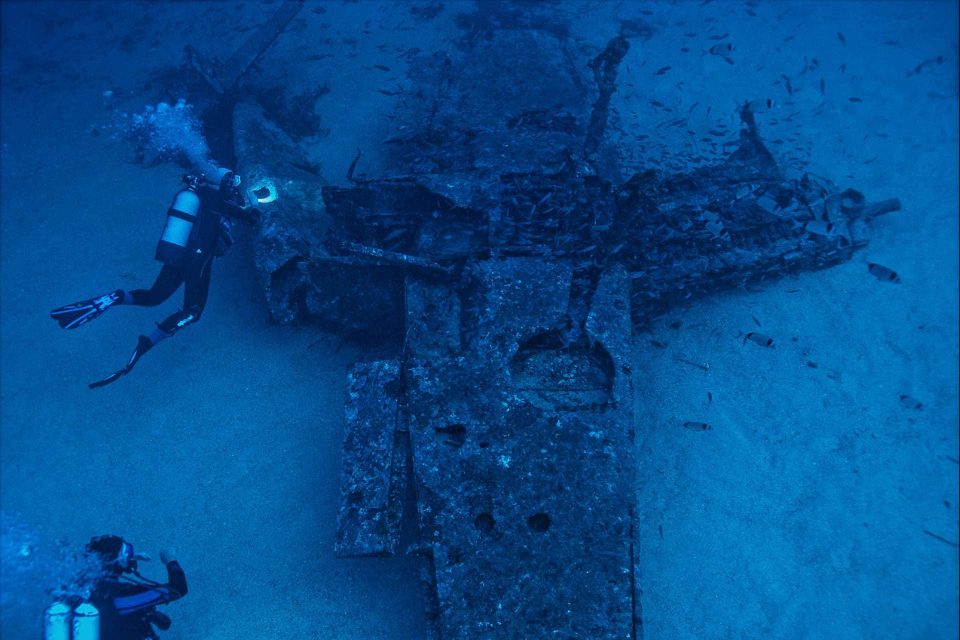
On the other hand, deep diving to 80m / 240ft is done with mixed gases and Trimix. Diving this deep always requires advanced decompression and can safely be called technical diving.
As you see, in order to be tech diving you need to do so with intent and with the right dive equipment.
How to get started with technical diving?
Technical diving requires great scuba diving skills, excellent buoyancy, and sound knowledge of diving theory to get started. Most tech diving training organizations offer so-called “fundamentals of tech” courses which include the basics of decompression diving, gas changes, and advanced diving skills. In addition, tech diving-ready scuba gear is required.
Before you ever consider becoming a technical diver, it’s important to be a good recreational diver first.
Far too often, new divers are drawn to the promise of greater depth and adrenaline before they have a sufficient number of dives to start their tech diving journey.
There are different technical diving training organizations but they all offer something of a “fundamentals” course.
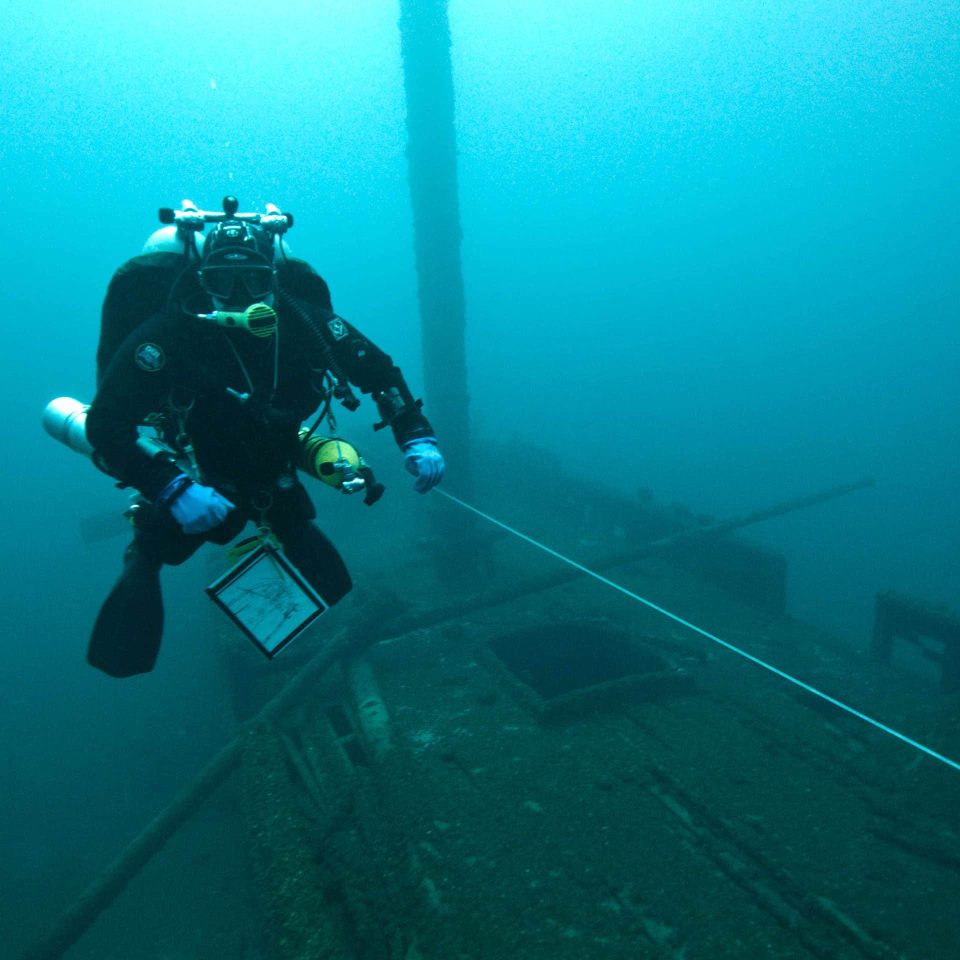
This is usually required to get started, but depending on the instructor and your previous certification level, you might be able to skip it.
Some things every tec diver should know are:
- Basics of decompression procedures
- Gas blending
- Stage handling underwater
- Handling advanced scuba gear
- Planning a decompression dive
After you have taken your first steps into this exciting new world of diving, you can then proceed with whatever interests you most.
Do you want to explore the depths of the ocean?
Then extend your knowledge on advanced Trimix and deep diving methods.
Feel more like diving in exciting caves, mines, or quarries?
In that case, a cave diving certification could be just the right step to take next.
Scuba Gear for Technical Diving
Technical diving requires more complex and redundant equipment configurations compared to recreational diving. Not only to dive deeper but also because technical dive sites are often more challenging.
Of course, your specific configuration depends on the type of tech diving you’re planning to do and the environment.
There are also different setups depending on the “philosophy” or training agency you follow. We’ll look at those later.
Twin Tanks or Sidemount Configuration:
Many tech divers utilize twin tanks connected with a manifold. They provide much more breathing gas, however, are also a lot heavier. To provide sufficient lift capacity, we need BCDs with bigger air bladders.
Alternatively, sidemount diving involves wearing one or two tanks on the side.
It’s a bit different from the rest on this list, so we created an extra guide to sidemount diving for you!
Technical Dive Computer
These computers are built to handle multiple gas mixes and allow divers to switch gases during a dive.
Check out our list of the best dive computers in 2026 for our top choices!
Double-valve Regulator
A redundant scuba regulator set includes separate or redundant first stages for double tank valves. They are another fail-safe system in case on regulator or valve freezes or experiences malfunction.
Redundant Air Source
This could be a completely independent tank or a pony bottle attached to the main tank. Not all tech divers use this but it’s definitely useful to have!
Decompression Cylinders
For staged decompression, decompression cylinders contain different gas mixes like pure oxygen or Nitrox. Usually, these stage bottles are carried by the diver, but sometimes they can be attached to a rope or line underwater.
Backplate / Wing BCD
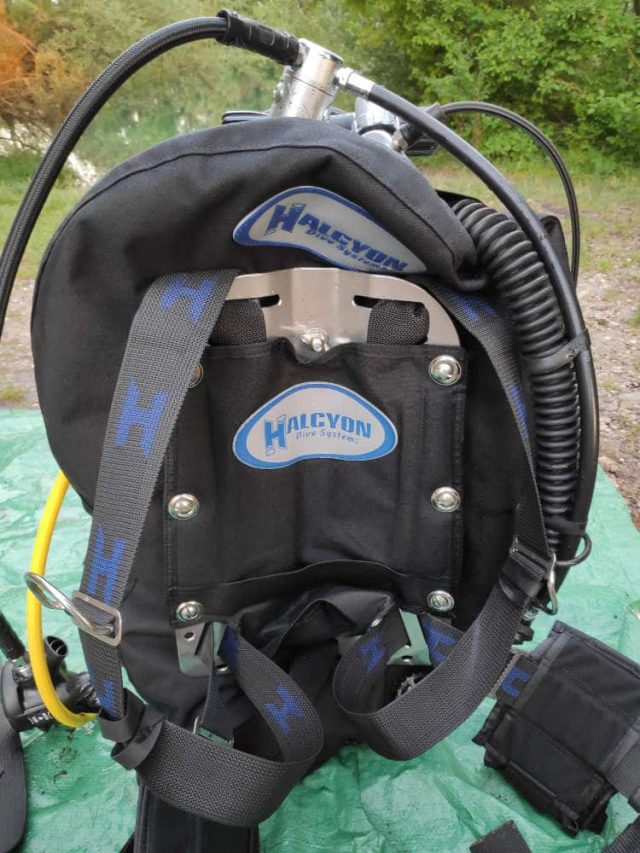
A backplate/wing (BP/W) combo is essentially a modular type of BCD with a back-inflate bladder. They are used by backmount divers, so you’ll find different configurations for sidemount and rebreather divers.
Even recreational divers can benefit from the improved buoyancy and better trim a backplate wing BCD offers.
Backup Masks, Computers, etc.
For redundancy in case of equipment failure, tech divers often carry spare versions of many essential equipment pieces. Masks are often carried in drysuit pockets, whereas backup computers are worn on the wrist as usual.
Drysuit
Drysuits are very useful when diving deeper or longer. That’s why they’re the preferred choice for most technical divers, even when diving in hot places like Florida or the Cenotes in Mexico.
Read our guide to drysuits to find out more about the different types and best models.
Rebreathers
Rebreathers filter exhaled gas, thereby removing carbon dioxide and adding fresh oxygen, and making it breathable again. This allows divers to stay underwater much much longer and produce fewer – aka no – bubbles.
Read our guide to rebreather diving to learn more about them!
Underwater Lighting
Powerful torches for deep and dark environments are a must-have for tech divers. They can be either hand-held or wrist-mounted.
SMB (Surface Marker Buoy)
Surface marker buoys are important even for recreational divers, but even more so for technical diving. When taking long decompression stops, they indicate to boats around to keep a safe distance.
Technical Diving Training Organizations
These are the most popular and well-known accredited tech diving organizations in the world:
GUE – Global Underwater Explorers
GUE is generally regarded as the most elite or rather elitist of all technical diving organizations and prides itself on the quality of their instructors.
To get started with GUE courses, taking a Fundamentals “Fundi” course is mandatory no matter what previous certifications you hold.
This also goes for dive instructors and even divers with previous technical dive training with other agencies.
GUE has exceptional training quality, especially in cave diving. However, this comes at a high price tag as their dive instructors are in high demand.
Visit their website: www.gue.com
IANTD – International Association of Nitrox and Technical Divers
IANTD provided the first Nitrox certification in the world in 1985 and has been on the forefront of mixed gas diving ever since.
Visit their website: www.iantd.com
TDI – Technical Diving International
TDI is the technical arm of the STI and TDI scuba agencies.
They focus on a more modern, liberal teaching approach and give their dive instructors a lot of freedom to schedule and conduct courses as they see fit.
Visit their website: www.tdisdi.com
Technical Diving Certifications and Training
Technical diving requires specialized training. Here are some of the paths to becoming a tech diver:
Tech Essentials or Fundamentals
Most training organizations start with a course on proper diving fundamentals that teaches the handling of technical dive equipment, good trim, and proper decompression procedures.
Advanced Nitrox and Decompression Procedures
This is often the first step to “actual” tech diving, teaching divers about using with different gas mixes and executing decompression stops.
Trimix Diving
Trimix is a mix of oxygen, nitrogen, and helium (hence the “tri”) commonly used for deep diving. Similar to Nitrox diving, it requires special training.
Advanced Trimix
For extreme depths beyond what is covered in the initial trimix course, advanced trimix courses allow divers to use different mixtures.
Cave and Cavern Diving
Cave diving requires specialized courses for diving in overhead environments. These are separate from the “normal” tech diving path but often overlap.
Rebreather Training
All rebreather diving is considered tech diving. In contrast to other training courses, rebreather training is limited to the specific model you are using, as well as divided into different depth ratings.
Popular Technical Dive Sites
You can tech dive pretty much anywhere in the world. Here are some great, well-known dive sites for tech divers.
Florida Cave System: Florida is one of the most popular cave diving spots in the world and a heaven for technical divers
Truk Lagoon: Located in Micronesia, it’s a graveyard for Japanese WWII ships.
The Red Sea Wrecks: Egypt has several deep wrecks like the SS Thistlegorm. The deeper parts can only be explored by technical divers.
Cenotes: These underwater caves in Mexico’s Yucatan Peninsula are another cave diving heaven.
Should I learn tech diving with PADI, SSI, or other large agencies?
While most scuba training agencies nowadays have a technical arm, it is recommended to get certified by an organization specialized in technical diving. Not only do they usually have stricter requirements for both instructors and students in their courses, but they also focus entirely on technical diving instead of also catering to recreational divers.
In my very personal opinion, you should NOT learn technical diving with PADI, SSI, NAUI, or any other mainstream agency.
They do have tec programs, however, it’s not their only focus.
Just look at the best and most accomplished technical divers in the world and see where they got their certifications from…or where they teach.
As always:
The instructor matters more than the training agency.
Is tech diving dangerous?
Technical diving is the most dangerous of all types of scuba diving and bears many more risks than recreational diving. Especially cave diving and ultra-deep diving have higher mortality rates than any other watersport. However, by diving conservatively, sticking to the rules of diving, and good dive planning, the risk can be greatly reduced.
Is tech diving expensive?
Yes. Technical diving can get very expensive very quickly. From additional scuba gear, to tank fillings of helium and other expensive gases, and traveling to places suitable for tech diving, the cost is substantial. However, it is not more expensive than other extreme sports like yachting or becoming a sports pilot.
Conclusion
This concludes this introductory guide to technical diving.
Once you have gained enough experience as a recreational diver, you can consider moving on to the exciting world of tech diving.
It opens up a plethora of options and will show you areas of diving you never experienced before.