
Are you considering scuba diving with multiple sclerosis but don’t know whether it’s safe to do so?
If that’s the case, keep reading and find out.
Scuba diving is a great sport that allows you to explore the underwater world and float like an astronaut in the water.
It’s an activity that’s generally open to most people, but there are unique considerations for individuals with medical conditions like Multiple Sclerosis (MS). This guide aims to provide an in-depth look at what MS is, how it affects diving activities, and the safety measures one should consider.
If you just want the quickest answer: Yes, it’s possible to become a scuba diver if you have MS.
Understanding Multiple Sclerosis and Scuba Diving
Multiple Sclerosis is a disease that compromises the central nervous system, affecting physical, mental, and psychiatric aspects of life. The so-called myelin sheath, which protects nerve fibers, becomes damaged, and this disruption interferes with the transmission of nerve signals.
The effects and symptoms of MS can be unpredictable, ranging from mild to severe, and can vary from person to person.

As such, everyone’s experience with scuba diving will be different.
Therefore, we’re gonna look at its effects in a broad sense.
Multiple Sclerosis
MS is a chronic autoimmune disease that affects the central nervous system, primarily disrupting the flow of information between the brain and the body. Symptoms range from fatigue and numbness to severe disability, and they can be intermittent or progressive. Because of the inherent risks involved in scuba diving, those with MS must exercise extra caution and adhere to specific guidelines.
Impact on Diving
Some of the symptoms of MS like fatigue, numbness, vision problems, and mobility issues can complicate the scuba diving experience.
These symptoms may lead to dangerous situations underwater, such as difficulties in equipment handling, impaired judgement, or even inability to manage buoyancy.
For example, some people have issues holding things in their hands or lose sense of touch in their fingers. This can become difficult when trying to hold the SPG (submersible pressure gauge) or when using the inflator button of the BCD.
MS comes in different “types” or patterns and each follows a different progression. Therefore, your diving fitness can change drastically based on your personal progression.
In any case, diving with MS requires careful planning and medical clearance. A diving medical is always required and makes sense!
However, that’s not to say it isn’t possible. As a matter of fact, I personally know a few people with MS who had no issues with scuba diving whatsoever and are avid divers.
Why go scuba diving with multiple sclerosis
Scuba diving has long been shown to be an excellent sport for people with different disabilities. With proper safety protocols and precautions, it is fun, doesn’t require physical exhaustion unlike other sports, and has beneficial effects on the psyche and mind.
Despite the potential issues and risks involved, scuba diving has shown to be a great activity for people with MS and the benefits outweigh the safety concerns.
Here are a few benefits of scuba diving with multiple sclerosis:
1. It’s fun!
As simple as it sounds, why shouldn’t you go diving just because it’s fun?
This doesn’t change because of physical or neurological conditions. On the contrary, doing things you love will be beneficial for your health in most cases and make life much better than refraining from it.
2. Physical Benefits
Many people with MS struggle with physical issues such as frequent exhaustion, or pains. Scuba diving can have the following physical benefits:
You can feel weightless
No weight on your shoulders, no need to walk or move around at all, and in some cases, not being tied to a wheelchair or similar are all great reasons to dive.
Muscle Strengthening
Though underwater movement requires less effort due to buoyancy, the resistance water offers can also help in mildly strengthening muscles.
Better Coordination and Balance
Navigating underwater requires careful movement and awareness, which can help improve overall coordination and balance.
Temperature Regulation
Many people with MS are sensitive to heat. Diving in cooler waters can help in regulating body temperature, although it’s crucial to note that too much exposure to cold can exacerbate symptoms.
As usual, do what feels right to you!
3. Mental Health Benefits
Unfortunately, many conditions and disabilities have a grave impact on the mental health of a person. Here are some ways diving can aid those:
Stress Reduction
The underwater world is often described as peaceful and serene. This calming environment can have a therapeutic, stress-reducing impact on divers, including those with MS.
Increased Confidence
Successfully managing a dive can provide a sense of achievement, which can boost confidence and mental well-being.
Community and Support
Being part of the diving community can offer social support, which is important for mental health.
Emotional and Psychological Well-Being
Sense of Freedom
The weightlessness of the underwater environment can provide a sense of freedom that might be difficult to achieve on land for people with mobility issues.
Mindfulness
The focus required in diving can make it a mindful activity, which can be therapeutic for people with chronic illnesses.
Adventure and Exploration
The excitement and novelty of exploring a new underwater world can be emotionally uplifting.
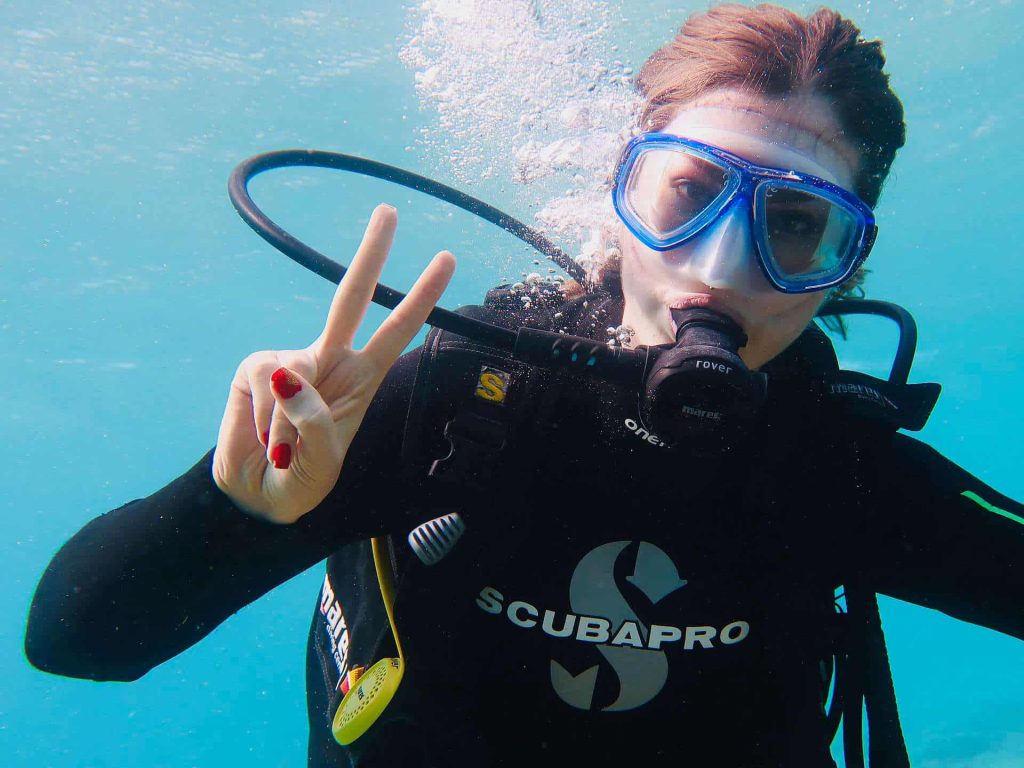
Social Benefits
Inclusive Activity
With proper planning and adaptations, scuba diving can be an inclusive activity that allows people with MS to participate alongside friends and family.
Skill Building
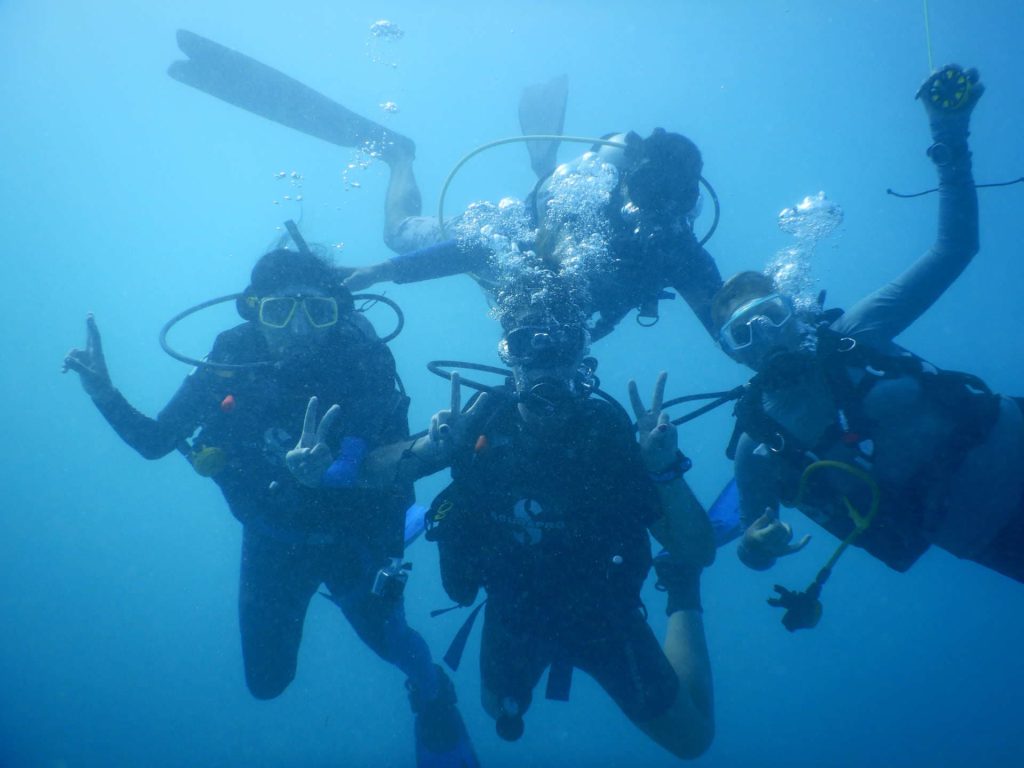
Learning and mastering the skills required for scuba diving can be a fulfilling experience, creating a sense of community among fellow learners and experienced divers.
Holistic Health
Whole-Person Wellness
The combination of physical activity, mental focus, and emotional well-being contributes to a holistic wellness experience.
Positive Lifestyle Impact
Engaging in an active hobby like scuba diving can contribute positively to lifestyle changes that benefit overall health, including that of people with MS.
Conclusion
Scuba diving with multiple sclerosis needs some preparation but once you get medical clearance, it’s so worth it!
Enjoy your time underwater, and if some adjustments have to be made, most operators and dive centers are more than happy to make them.
If you have any more questions about scuba diving with MS, send us a message or comment below!