
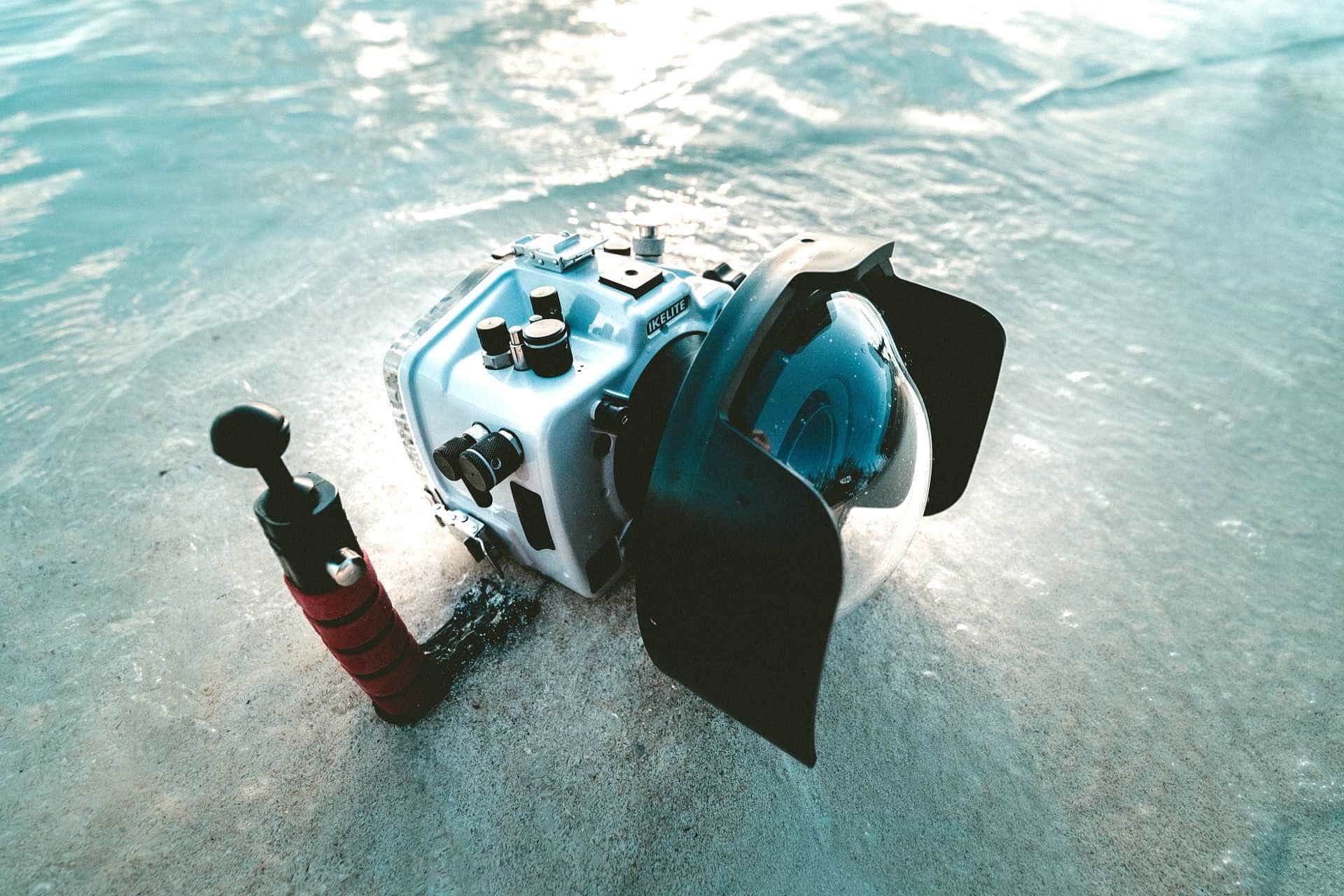
If you want to take great photos and videos of your underwater adventures, you need a camera.
Just taking your waterproof iPhone on your next dive is not a good idea though and you probably wouldn’t want to flood it in the process.
Therefore, buying an underwater camera is necessary if you want to get into the vast field of underwater photography.
There are countless different ones on the market and finding the right one can be tough.
Here you can find the best underwater cameras for scuba divers in 2026 sorted by price range and features.
Scroll to the bottom to get a detailed buyer’s guide and things to look out for when buying an underwater camera for scuba diving. I will also explain the difference between waterproof compact cameras, action cams, mirrorless cameras, and DSLRs, as well as other professional photography equipment for scuba divers.
The best underwater cameras in 2026
- Best for beginners: Olympus TG-6
- Best Compact Camera for Macro Photography: Canon G7x
- Best Compact Camera for Videos: Sony DSC-RX100
- Best action camera: GoPro Hero10 Bundle
- Best pure underwater action camera: Paralenz Vaquita
- Best Full Frame Mirrorless Camera: Sony A7 III
- Best Micro 4/3 Mirrorless Camera: Olympus EM1 III
- Best DSLR: Nikon D850
We earn a commission if you make a purchase, at no additional cost to you.
The GoPro action camera line is synonymous with sport videos and the lightweight, compact design is perfect for divers.
The latest version, the Hero 10, takes absolutely superb videos that are on par with many of the mid-range to higher-end mirrorless cameras out there at a mere fraction of the price.
I’d even go as far as to say, if video is the only focus, you could get by easily with just a GoPro, a housing, and some filters.
The GoPro Hero10 is the best action camera on the market and the perfect entry into the world of underwater videography.
Specs & Features
| Type | Action Camera |
| Weight | 0.3kg (1 lb) |
| Megapixels | 23MP |
| Resolution | 5k (video) |
| Good for | Videos |
| Zoom | 1x |
| Media Type | Micro SD |
| Other Features |
Olympus TG-6
We earn a commission if you make a purchase, at no additional cost to you.
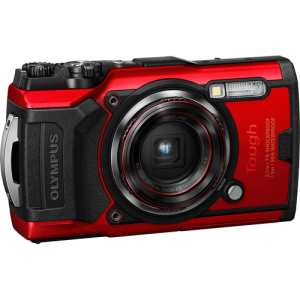
The Olympus Tough TG-6 is one of my personal recommendations for beginners and everyone who is just starting out with underwater photography.
It takes great photos, is super affordable, and it’s so popular you will find plenty of resources and tutorials on it. Moreover, it can be extended further with different lights and lenses and is very cheap.
This means you will not outgrow it even after years.
You will not find a better camera in the sub €500-€600 price range and I know dozens of professional divers who swear by it.
Like any Olympus system, it’s very lightweight and the entire bundle including the camera, housing, and lights can easily fit into a carry-on bag or a dive bag of choice.
If you have taken the Open Water Diver course at Social Diving, you have seen videos and photos taken with it throughout our theory lessons. The quality is outstanding and there are so many extension options.
If you are a beginner or intermediate scuba diver looking for a great underwater camera, check out the Olympus Tough-TG6.
Specs & Features
| Type | Compact Camera |
| Weight | 1.2 kg (2.8 lb) |
| Megapixels | 12MP |
| Resolution | 12MP (photo), 1080p (video) |
| Good for | Macro photography |
| Zoom | 4x |
| Media Type | Micro SD |
| Other Features | waterproof down to 15m/50ft (50m/160ft with housing) |
We earn a commission if you make a purchase, at no additional cost to you.
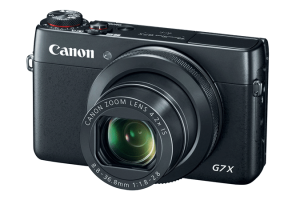
The Canon G7x comes with great specs for megapixels and zoom that outclass even popular alternatives like the Olympus TG-6 by a large margin.
It’s an excellent camera at an appropriate price point and gives you much more value for the price than other compact cameras.
The Canon G7x is a step up from most other compact cameras with great specs and solid underwater photo quality.
Specs & Features
| Type | Compact Camera |
| Weight | 0.3kg (1 lb) |
| Megapixels | 20.1 MP |
| Resolution | 4k (video) |
| Good for | Videos |
| Zoom | 4.2x |
| Media Type | Micro SD |
| Other Features |
We earn a commission if you make a purchase, at no additional cost to you.
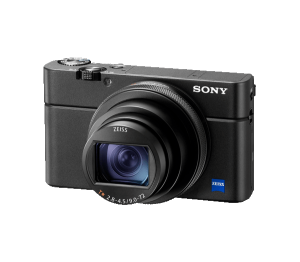
The Sony RX100 is a direct competitor to the Canon G7x so if one of them interests you, it will probably be between these two which one you take.
Get the Sony RX100 if you are looking for a mid-range compact camera that has good autofocus and dynamic range while still not breaking the bank.
It is also a nice option for underwater videos.
Specs & Features
| Type | Compact Camera |
| Weight | 0.3kg (0.64 lbs) |
| Megapixels | 20.1 MP |
| Resolution | 1080p (video) |
| Good for | Videos |
| Zoom | 2.9x |
| Media Type | Micro SD |
| Other Features |
We earn a commission if you make a purchase, at no additional cost to you.
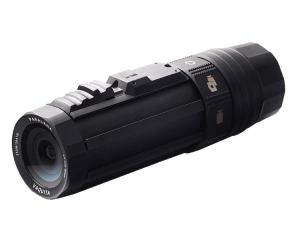
The Paralenz Vaquita is a great 4k underwater camera/action camera for out-of-the-box ready for posting underwater videos.
I LOVEEEE the automatic color correction that changes depending on the depth and almost makes post-processing software like Premiere Pro useless.
The Paralenz is excellent for those who want an out-of-the-box solution for underwater videos and cannot be bothered with big setups, tweaking settings, and optimizing artificial lighting.
Specs & Features
| Type | Scuba Action Camera |
| Weight | 0.3kg (1 lb) |
| Megapixels | 23MP |
| Resolution | 5k (video) |
| Good for | Videos |
| Zoom | 1x |
| Media Type | Micro SD |
| Other Features | Automatic depth dependant color correction |
We earn a commission if you make a purchase, at no additional cost to you.
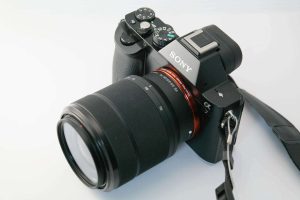
The Sony A7 III is the best full-frame mirrorless camera for underwater photography on the market with great specs, and superb build quality, and is among the best cameras on the market if you are into making videos.
Specs-wise it outperforms most competing cameras on the market and dynamic range, focus speed, and autofocus are much much better than on more budget-friendly alternatives such as the Olympus EM1.
The Sony A7 III is one of the best mirrorless underwater cameras available today and if you like to take both photos and videos, you will love this one.
Specs & Features
| Type | Full-Frame Mirrorless Camera |
| Weight | 0.6 kg (1.44 lb) |
| Megapixels | 24.2 MP |
| Resolution | 24.2 MP (photo), 4k at 24fps & 30fps (video) |
| Good for | Photos, Videos |
| Zoom | 1x |
| Media Type | Micro SD |
| Other Features |
We earn a commission if you make a purchase, at no additional cost to you.
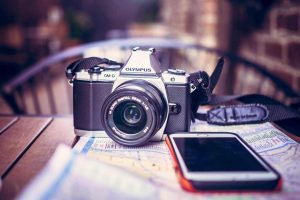
The Olympus EM1 III is the best Micro 4/3 mirrorless camera for underwater photography on this list and if you are on a budget but still want the mirrorless image quality, this is your best bet.
If you love macro photography and capturing slow-moving objects/animals with your camera, this is an amazing piece of equipment.
The Olympus EM1 mirrorless camera is a great budget-friendly underwater camera with incredible specs and good video capabilities until your budget allows for a full-frame model.
Specs & Features
| Type | Micro 4/3 Mirrorless Camera |
| Weight | 1.4 kg (3 lb) |
| Megapixels | 20MP |
| Resolution | 20MP (photo), 4k at 60fps (video) |
| Good for | Photos, Videos |
| Zoom | 1x |
| Media Type | Micro SD |
| Other Features |
We earn a commission if you make a purchase, at no additional cost to you.
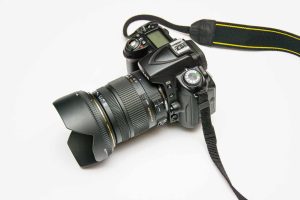
The Nikon D850 full-frame DSLR is the best underwater camera for photography and shooting fast-moving animals like sharks and Manta rays.
If you are looking for a professional underwater camera with the goal to make money with it, this could be the one.
The Canon D850 is like an unfair advantage for wide-angle photographers underwater. Fast, crisp image quality and a professional tool all around. Unless you work for NatGeo or BBC etc…you will not need a higher-tier model ever.
Specs & Features
| Type | Full Frame DSLR Camera |
| Weight | 0.9 kg (2.02 lb) |
| Megapixels | 20MP |
| Resolution | 20MP (photo), 4k at 60fps (video) |
| Good for | Photos, Videos |
| Zoom | 1x |
| Media Type | Micro SD |
| Other Features |


The best cheap action camera for underwater videos.
- Dirt cheap
- Great video quality
- Full kit for underwater videos
- Includes 2 batteries
- Does not compensate for shaking
- Bad image quality under poor lighting
- Battery life could be better
We earn a commission if you make a purchase, at no additional cost to you.
The AKASO EK7000 is exactly what it says: A budget-friendly beginner camera for underwater videos that will serve you well.
It’s great for beginners who want to take underwater photos and videos for a very affordable price.
For less than 100$ / 100€ you get a solid action camera including underwater housing to start your journey as an underwater photographer.
It provides very high-quality images and videos and for this little money, I really don’t have anything bad to say about it.
Of course, it doesn’t match the quality of a GoPro or even compact camera…but nobody expects it to.
Dragon Touch 4K action camera


Cheap beginner camera for underwater videos.
- Super cheap
- All-in-one package
- Solid quality
- Poor performance under bad lighting
- Battery life could be better
We earn a commission if you make a purchase, at no additional cost to you.
The Dragon Touch 4k action camera is great for beginners who want to take underwater photos and videos for a very affordable price.
For less than 80€ you get a solid action camera including an underwater housing to start your journey as an underwater photographer.
The Dragon Touch has thousands of positive reviews for good reasons. It provides very high-quality images and videos and for this little money, I really don’t have anything bad to say about it.
The Dragon Touch 4k is the best budget underwater action camera for beginners.

Types of underwater cameras
There are many different underwater cameras out there, ranging from inexpensive action cams to introductory underwater cameras and up to super expensive professional photography kits for wildlife photographers.
These are the four most common types of underwater cameras:
- Action Cameras
- Compact Cameras
- Mirrorless Camera
- DSLR
Mirrorless cameras and DSLRs both fall under the category of “system cameras”, meaning the body and lens come as separate pieces.
Mirrorless cameras are further divided into Micro 4/3 and Full-Frame.
Action Cameras
The easiest way to get started with taking photos and videos underwater is to buy an action camera.
They are small, lightweight, and take great quality images at any pricing tier. They are especially well-suited for beginners as they can be strapped to the BCD and as such don’t require the diver to pay much attention to it during the dive.
They start at under $80 for cheap sets including a camera and underwater casing but are available at a much higher quality like the GoPro Hero 10.
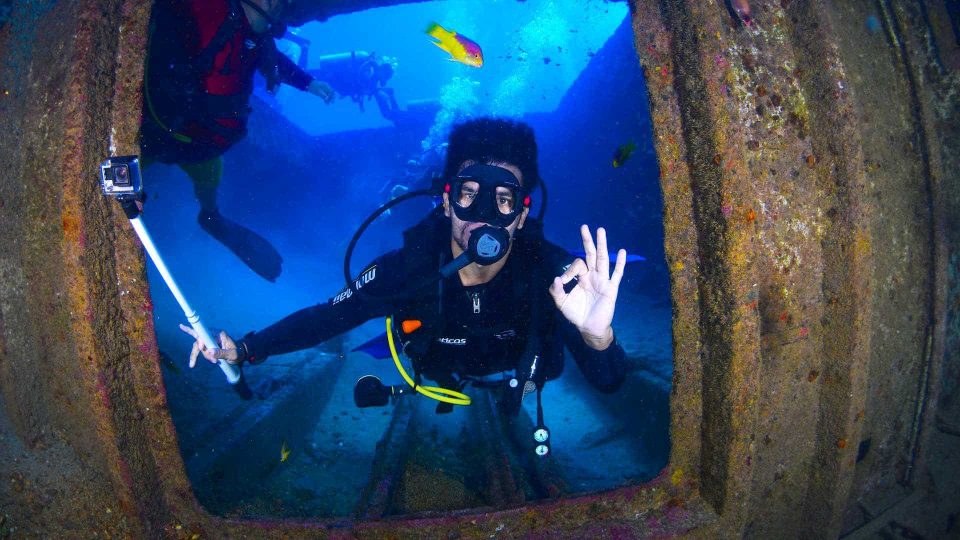
Action cameras take great videos underwater, however, you will probably need a red or yellow corrective filter on top to get your colors back.
Another appealing aspect of action cameras is that they are not limited to scuba diving order underwater imagery but can be used for skiing, snorkeling, hiking, and any other sport you can think of.
Compact cameras
If you want to take great underwater photos and plan to pick up underwater photography as a new hobby, you can invest in an inexpensive underwater compact camera like the Olympus TG6.
Compact cameras combine camera body and lens into one piece, which is the opposite of system cameras, where those are separate.
You can achieve high-quality images and videos, and get into macro photography if you like.
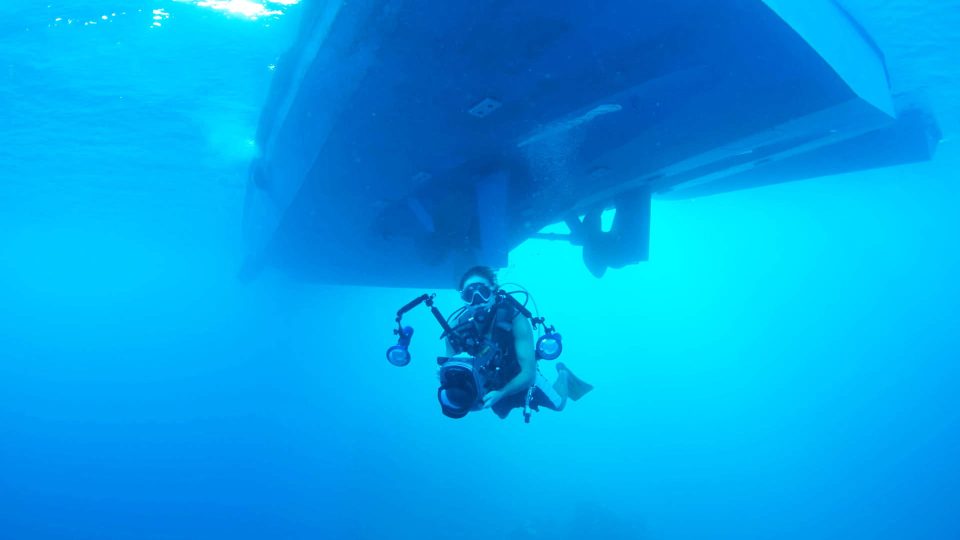
The usual setup for these includes the compact camera, the housing, and a dedicated light or strobe.
What makes these cameras much more suited for underwater photography than action cams are the numerous housing and lighting options available for them.
Most systems are modular and you can extend them as you see fit.
The Canon G7x is one of the best compact cameras out there.
While premium action cameras like the GoPro Hero10 take even higher resolution images than these compact cameras, they are not as extendible.
Mirrorless Cameras
These system cameras are a big step up from compact cameras and deliver really high-quality images while maintaining a small size in comparison to DSLRs.
System camera refers to every camera in which you have a separate camera body and lens.
Lightweight, affordable, and easy to travel with, mirrorless cameras are your best bet if you are serious about your underwater photography hobby but cannot (or don’t want to) buy a professional-grade DSLR.
However, if you are into video, a mirrorless camera is a better option than a DSLR, despite the sometimes lower resolution.
Mirrorless cameras offer two choices: Micro-4/3 or full-frame.
Micro-4/3 (“micro four thirds”) are more affordable, lighter, and smaller.
A great example is the Olympus EM1.
Full-frame mirrorless cameras, on the other hand, allow you to take professional-grade images and videos. They come with faster focus, a wider dynamic range, and way better video quality.
The Sony A7 is the best full-frame mirrorless camera on the market right now and if you have the budget for it, just get this one.
DSLR cameras
Professional underwater photographers use full-frame DSLR cameras to achieve the highest quality images.
If you are passionate about your craft or wish to make money scuba diving by taking photos, there is no way around buying a professional kit.
In return, you get the highest image quality, best lighting, and most options to extend your set and you can customize your gear to your needs.
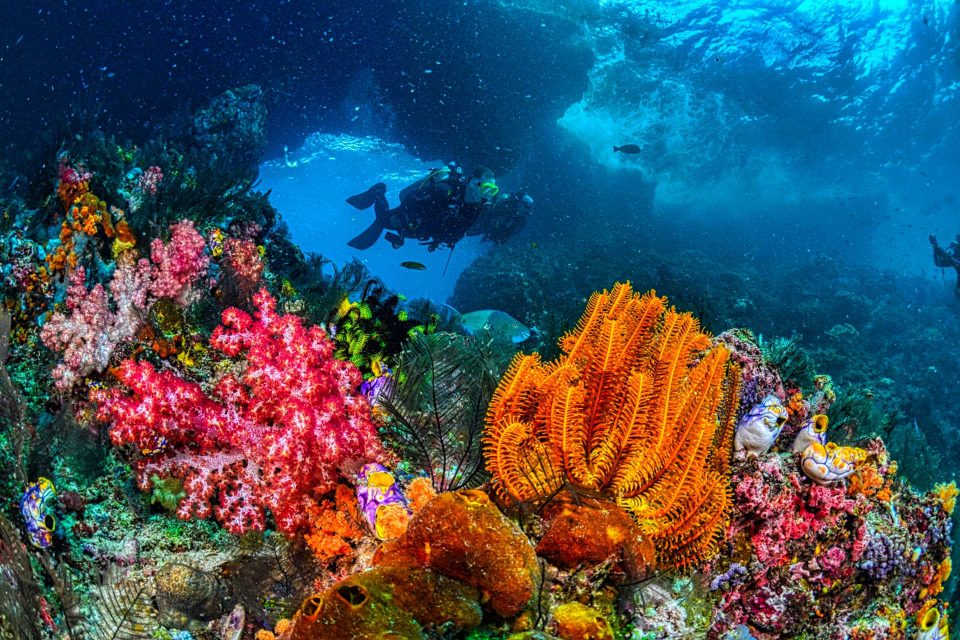
DSLR cameras come in all price ranges from €800 / $900 to €15,000 / $17,000 plus housing and other extras so you really have to decide what you want to achieve.
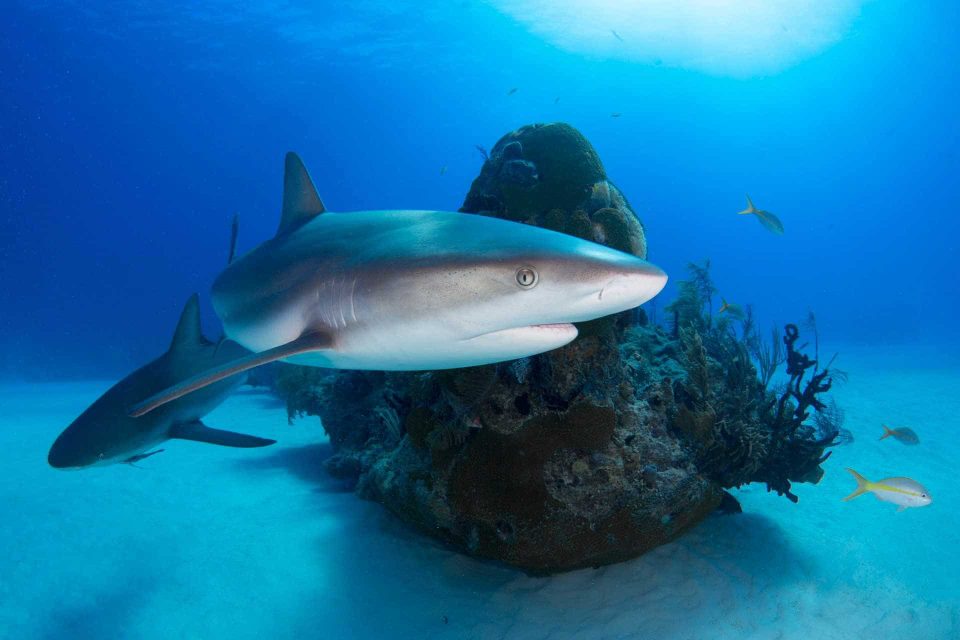
DSLRs have a lot higher processing speed, faster focus, and an even better dynamic range. This makes them the camera of choice for shooting fast-moving animals like blue sharks, swordfish, and the likes.
The best DSRL Full-Frame camera for underwater photography right now is the Nikon D850.
One drawback of DSLR cameras is filming videos and if that’s your main focus, I strongly suggest going for a mirrorless camera or even an action camera.
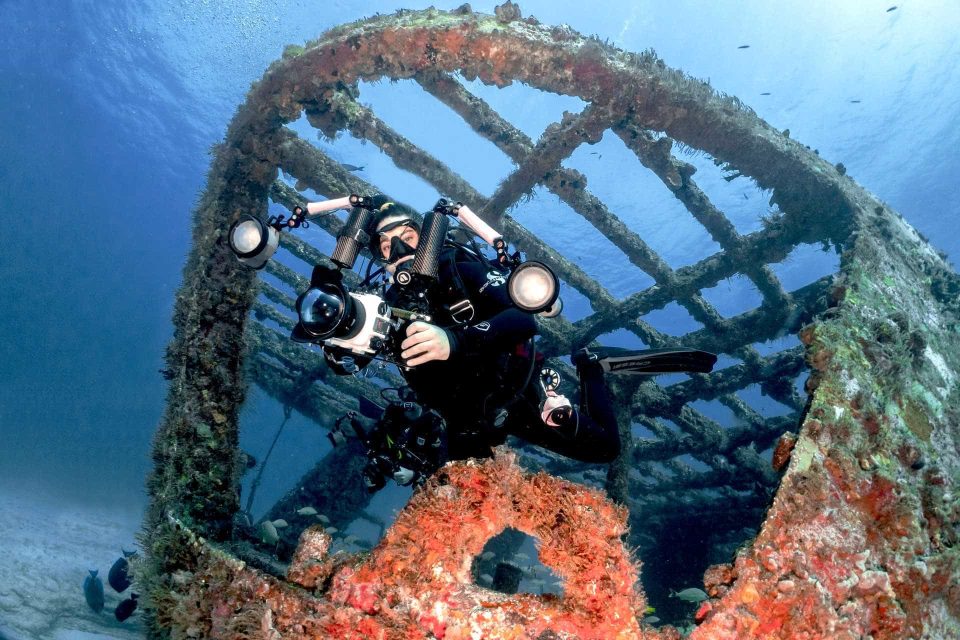
Why buy an underwater camera?
Underwater cameras allow you to take photos and videos during your dives. While waterproof phones and action cameras are great for just starting out, dedicated underwater cameras deliver much better results. They are waterproof down to several hundred meters depth, take high-quality images, and can be equipped with additional lighting, lenses, and more.
Scuba diving is fun and eventually, most people want to capture special moments and beautiful dive spots on camera.
And while taking your waterproof phone or digital camera in a case is an easy way to take some quick images while snorkeling, this will most often not work while scuba diving.
Let’s see why you might want to buy an underwater camera.
It’s fun
Taking photos underwater is fun! You get to play around with shiny equipment and capture your best moments while diving.
Buying an underwater camera allows you to take photos of your favorite sea animals and might be the start of your career as an underwater photographer.
Just check out this video and you’ll see what can be achieved with a good underwater camera:
You can share your passion with others
Whether on social media, YouTube, your own blog, or in private to your friends and family, taking photos or videos while diving allows you to share your best moments with others.
I really like taking videos while diving to show around and post them on our Instagram, Facebook, and Pinterest channels.
Starting out is not expensive
Buying an underwater camera used to be super expensive and reserved for professional wildlife photographers.
Nowadays, you can get started for less than €100 and achieve quality images that can very well be featured on social media or elsewhere.
You focus more on your environment
Taking photos underwater involves a lot more than just pressing a button.
You look around for interesting photo opportunities, find the right lighting and angle and spend more time enjoying the details.
It also connects you more to the wildlife around you as you start to cherish even the smallest of animals.
This is not to say there aren’t super large marine animals worth photographing though.
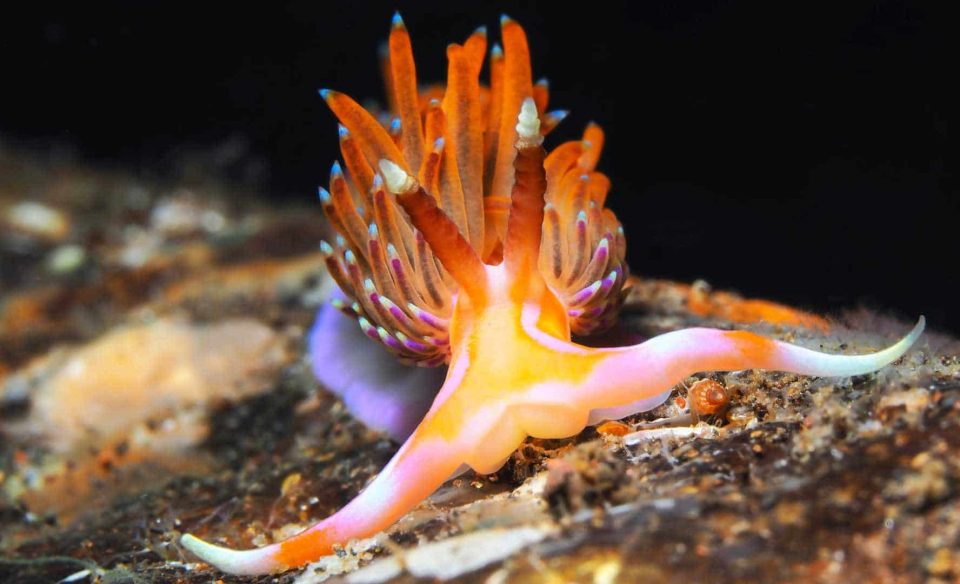
You can make money from it
If you get really good at taking underwater images, you can use it to make money while scuba diving.
With today’s social media exposure it has never been easier for underwater photographers to get a lot of exposure with just a few posts.
What to look out for when buying an underwater camera
There are several things you should look out for when buying an underwater camera. Whether you’re buying your first one or upgrading to a new model, it’s recommended to keep these in mind.
Start out small
I suggest buying something small and rather inexpensive first, before upgrading to larger and more expensive models. There is no point in buying everything at once when you are still learning.
An action camera or introductory underwater camera will be perfect for starters.
However, if you already know that underwater photography is your passion and you have experience photographing, skip the beginner cameras and get a good one right away.
Learn the basics of underwater photography first
Before you start taking loads of photos of everything and anything, start out with the basics.
Understand how lighting works, what color filters do, and how to find the right angle for taking great underwater photos.
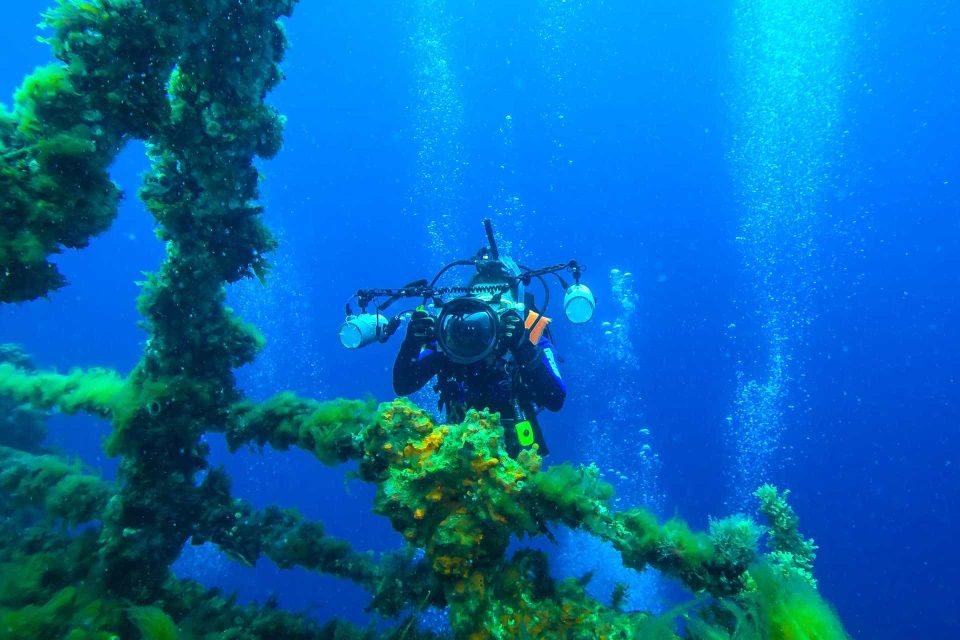
Taking an underwater photographer specialty course will help you tremendously in this endeavor.
Follow good diving etiquette
No photo in the world is worth trampling over corrals, scaring animals or endangering yourself and others.
Always follow the rules of diving, focus on good buoyancy, and in general don’t be an idiot underwater.
Be a good diver before trying to become a good underwater photographer first.
This will also make the process of taking good photos and videos much easier because you can concentrate fully on your craft.
Consider all the pieces
Buying an underwater camera is more than just the camera body.
You need (multiple) lenses, housing, strobes, mount, float arms, cords…there’s a lot to consider.
Set a budget
Underwater cameras are a serious investment in your hobby.
Of course, having the biggest, baddest camera of all is fun (hehehe 😎), but make sure to set a proper budget first.
After all, the best camera won’t help you if you then cannot afford to dive anymore.
The following price ranges will give you an idea of how much you should/will have to spend when aiming for a certain quality level:
| Level | Components | Price range |
|---|---|---|
| Beginner | Action camera & filter / basic underwater camera | €120-500 |
| Intermediate | Compact camera, housing, basic lighting | €800-2500 |
| Expert | System camera, housing, extra lenses, mount, lighting, software | €3500-5000 |
| Professional | Different system cameras, housing, lenses, lighting, cases, mounts, professional software | €6000+ |
You do you
As usual, in all my guides I want to remind you to always do what you feel most comfortable with and don’t be distracted by what everyone else says.
If you want that big shiny camera and are sure it will sparkle your creativity and love for diving and photography…get it and take those photos!
Don’t forget about software and post-processing
While taking photos is fun and a good camera will get you further than a basic one, don’t forget to invest in some good photography software.
Photoshop, AfterEffects, Premiere Pro, or DaVinci Resolve are just some of the ones you should check out.
These will help you turn great raw material into an awesome one.
Conclusion
Getting started with underwater photography is easy, however, getting good at it takes time and practice.
Buying a great underwater camera is the first step to take and these were some of my recommendations for underwater cameras in 2026.
If you liked this buyer’s guide and would like to see a complete guide to getting started with underwater photography, leave me a comment or send a message!
Join the email list to get regular diving tips, tricks, insights, and news straight to your inbox!
Always dive with friends and happy bubbles. 😃
Cheers
Julius